2nd Edition of Dermatology and Plastic Surgery World Conference 2026
Speakers - DPSWC2025
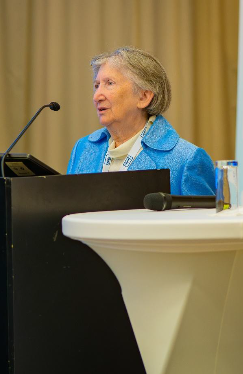
Manuela Neuman
Manuela Neuman
- Designation: Department of Pharmacology and Toxicology, University of Toronto
- Country: Canada
- Title: Stevens Johnson Syndrome Toxic Epidermal Necrolysis Reactions to Ibuprofen and Acetaminophen Laboratory Assessment
Abstract
Steven Johnson Syndrome (SJS) and Toxic Epidermal Necrolysis (TEN) are serious cutaneous adverse reactions (SCARs). The risk of death for SJS is approximately 1-5%, and for TEN 25%-35%. SJS/TEN lead to complications affecting the eyes, genitourinary tract, and gastro-intestinal epithelium. SJS-TEN cases are medical emergency that requires hospitalization. The laboratory is keeping clinicians informed on the safety of medications.
We aimed:
1)
to determine SJS and TEN correlated with the positive in vitro lymphocyte toxicity in the clinical ibuprofen and acetaminophen cases
2)
to identify defects in the immuno-responses of SJS and TEN patients, and confirm the validity for the causality assessment for SJS and TEN
Methodology
All the cases have been clinically diagnosed by the dermatologist. The blood was taken from individual patient and a control and sent to our laboratory. We performed LTA on blood mononuclear cells. Additionally, we measured serum levels of cytokines, apoptosis and necrosis of the cells exposed to acetaminophen and ibuprophen.
Conclusions
The diagnostic laboratory can and should present strategies for managing treatment-related adverse events. Clinicians and laboratory can support personalized patient care.
Innovating for a New Era in Dermatology and Aesthetic Surgery
Welcome to 2ndRead More>>
Organizer
